
In the 18th Century, the formal style of garden for stately homes (described here) began to give way to a more natural style of gardening. Three men stand out in the transformation of the parks and gardens of the wealthy: William Kent, Lancelot ‘Capability’ Brown, and Humphrey Repton.

William Kent

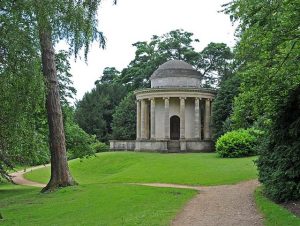
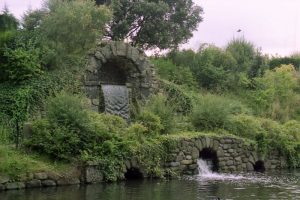
Kent worked as a painter and architect as well as landscape designer. He introduced the Palladian style of architecture and also the ‘natural’ style of gardening that came to characterise English landscape gardens. Among his most famous projects were the gardens at Stowe in Buckinghamshire, Rousham House in Oxfordshire and Chiswick House in London. The gardens included various temples, cascades, bridges and other structures to allow visitors to tour picturesque scenes.
Capability Brown
More famous than Kent is Lancelot Brown (known as Capability Brown, because he used to tell clients their grounds had ‘capability’ for improvement).
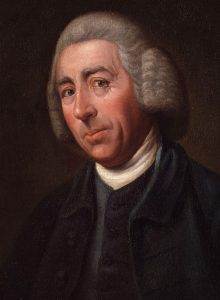
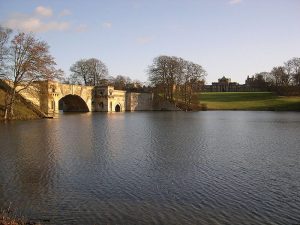
Brown removed parterres and other formal, geometric structures and instead provided lawns and trees arranged to look naturalistic while providing good views. He also dammed streams to make lakes, and arranged canals to look like natural rivers. He designed 170 gardens, including those at Chatsworth and Blenheim Palace, and also acted as a contractor to implement his ideas.
Humphrey Repton
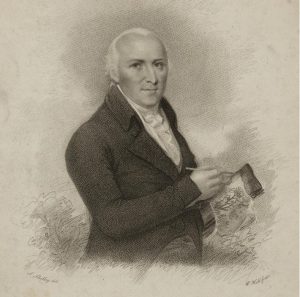
Repton tried his hand at many careers, with little success. Eventually he decided to combine his skills in watercolour sketching with his experience in redesigning the grounds at a small country estate he’d once owned, to fill the gap left by the death of Capability Brown in 1783. Whereas Brown had designed parks and landscapes then organised and completed the work, Repton sold his ideas and rarely implemented them himself. Brown produced plans, but Repton was much more imaginative in showing potential clients how their grounds could look. He provided Red Books (so called because he had them bound in red) depicting the proposed scenes, with overlays (flaps that could be turned back) to show the scene in its current state.
Repton also rolled back Brown’s work to some extent, by reintroducing some formal gardens and terraces close to the house, to give it a more formal setting. He was also adept at ‘borrowing’ existing landscape features to enhance views, such as by cutting gaps through woodland to reveal the view of a distant church tower or hill.
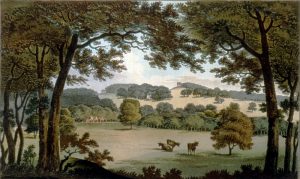
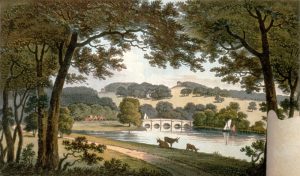
There is a video here showing the Red Book for Sheringham Park.


